
Clean, safe water is something every household depends on daily — from drinking and cooking to washing and cleaning. In Singapore, tap water generally meets high safety standards, but that doesn’t mean problems can’t occur within individual homes or buildings. Issues in aging pipes, plumbing fixtures, or water storage systems can affect the quality of your water without you realising it.
Understanding the warning signs of unsafe tap water is essential for keeping your family healthy and your home plumbing system in good condition. If you’ve ever wondered whether your tap water is truly safe, this guide will walk you through the key indicators to watch for and what steps you should take if something seems off.
Let’s explore the most common signs that may suggest problems with plumbing in Singapore, and how to address them before they lead to bigger concerns.
1. Unusual Colour in Your Tap Water
The colour of your water is one of the clearest indicators that something isn’t right. Ideally, tap water should be clear with no visible particles. If your water comes out brown, yellow, or reddish, it may be due to rust or mineral deposits from corroding pipes. In some cases, black or greyish water may indicate mould contamination.
What It Means
- Rust from old iron pipes
- Sediment buildup in water heaters or storage tanks
- Corroded plumbing connections
What to Do
Run the tap for a few minutes to see if the colour clears. If it persists, call a professional as discoloured water may point to bigger issues within your pipe system.
2. A Strange Odour Coming from the Water
Safe tap water should not have a noticeable smell. If you detect an unpleasant odour, it’s a sign that contaminants may be affecting your water supply.
Common Odours & Their Causes
- Rotten egg smell: Hydrogen sulfide from bacteria or chemical reactions in the pipes
- Chlorine smell: High chlorine levels, often from water treatment but sometimes intensified by old pipes
- Metallic smell: Copper, iron, or zinc contamination
What to Do
Check if the smell is coming from both hot and cold water. If only the hot water smells, the problem may be inside your water heater. For persistent odours, contact a plumbing specialist.
3. An Unusual Taste in the Water
Even if your water looks clear, an odd taste could signal a contamination problem. Changes in taste can come from dissolved minerals, chemicals, or bacteria.
Warning Taste Indicators
- Metallic taste: Possible pipe corrosion
- Salty taste: High sodium levels in the supply
- Chemical taste: Residual chemicals or contaminated pipes
If you experience a noticeable change in taste, avoid drinking the water until it’s inspected.
4. Cloudy or Milky Water That Doesn’t Clear Up
Cloudy water is usually caused by tiny air bubbles and may clear up after a few seconds. But if the cloudiness remains, it could be due to:
- Sediment
- Hard water minerals
- Microbial contamination
What to Do
Fill a glass and let it sit for a minute. If the cloudiness settles at the bottom, sediment is likely the cause. Persistent cloudiness needs a professional check.
5. Visible Particles or Sediments
Finding particles floating in your water is a clear sign of a plumbing issue. Common particles include:
- Sand or dirt from degraded water lines
- Rust flakes
- Mineral sediment
You should avoid consuming water that contains visible particles.
6. Frequent Plumbing Leaks or Pipe Corrosion
If your home has recurring leaks or you’ve noticed corroded pipes, your water quality may also be compromised. Old or corroded pipes can release metals and contaminants into the water.
This is especially important for older properties where galvanized pipes may still be in use.
Why This Matters
Poor pipe conditions not only affect water quality but can develop into structural water damage, mould, or even pipe bursts.
7. Low Water Pressure
Low water pressure is sometimes overlooked as a mere inconvenience, but it can indicate deeper plumbing issues. A partially blocked pipe can trap contaminants, affecting both pressure and water quality.
Possible Causes
- Mineral buildup
- Pipe corrosion
- Leaks within the system
If pressure is consistently low in just one tap, the issue may be isolated. But if the whole house is affected, you may have a more serious internal plumbing issue.
8. Water Stains on Clothes or Fixtures
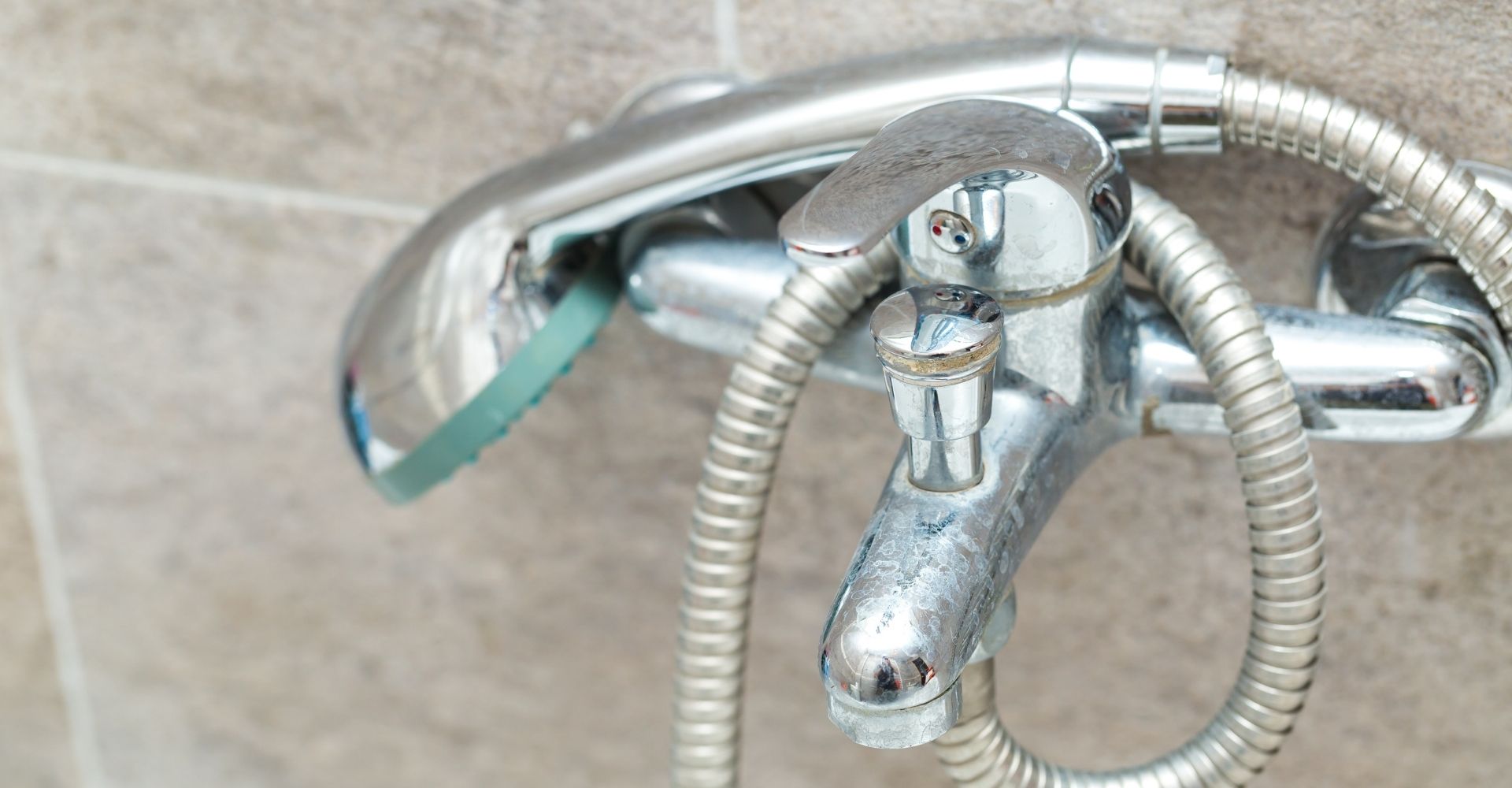
If you notice yellowish or brownish stains on clothes after washing, or marks on sinks and tubs, this may indicate high iron or mineral content in the water. Hard water can also leave white, chalky deposits on faucets and showerheads.
Signs to Look For
- Discoloured laundry
- Limescale buildup
- Stains on bathroom fixtures
These symptoms suggest that your plumbing system needs attention.
9. Skin Irritation or Dryness After Showering
If you or your family members have started experiencing dry skin, irritation, or itchiness after using tap water, minerals or contaminants in the plumbing may be to blame.
Possible Causes
- Hard water minerals
- Chlorine sensitivity
- Microbial contamination
If symptoms persist, consider testing your water or contacting a professional plumber.
10. Noisy Pipes or Water Hammer
While noisy pipes don’t directly contaminate water, they can indicate structural issues. Loose or damaged pipes may allow contaminants, rust, or sediments to enter your water supply.
Additionally, frequent water hammer noises may signal unstable water pressure or failing valves.
11. Water Filters Filling Up Too Quickly
If your water filter becomes dirty or clogged significantly faster than usual, that’s a sign your water contains more contaminants than it should.
Possible Indicators
- Frequent filter replacements
- Reduced water flow from filtered taps
- Visible debris in the filter casing
This is a strong indication something is wrong with your plumbing lines or water source.
12. Sudden Increase in Water Bills
A spike in your water bill may indicate hidden leaks, which can also affect water safety and quality. Leaks can allow contaminants to enter the water system, especially if pipes are underground or in damp areas.
This is often a sign to schedule a professional inspection.
13. Your Home Uses an Old Water Storage Tank
While tank water is safe when maintained, old or uncleaned water tanks can accumulate bacteria, sediment, and other contaminants.
Warning Signs
- Discoloured water
- Musty smell
- Floating particles
Regular cleaning and tank inspection are crucial for maintaining safe water quality in Singapore homes.
How Plumbing in Singapore Affects Water Quality
Singapore’s national water supply is well-regulated, but once water enters your property, its safety largely depends on the quality of your internal plumbing system. Aging pipes, poorly maintained fixtures, and outdated water heaters can affect water cleanliness and safety.
That’s why partnering with a professional who specialises in plumbing in Singapore is essential. A trained plumber can assess your system, identify hidden issues, and ensure your home’s water remains safe for everyday use.
What to Do If You Suspect Your Tap Water Is Unsafe
If you notice one or more of the warning signs above, take these steps:
✔ Stop drinking the water
Switch temporarily to bottled or boiled water until you receive confirmation that the tap water is safe.
✔ Run the tap for a few minutes
Sometimes sediment may clear naturally, especially after plumbing works.
✔ Inspect other taps
Check if the issue exists only in one tap or throughout the home.
✔ Schedule professional testing
For thorough analysis, have your water tested for contaminants and mineral levels.
✔ Call a qualified plumber
If the issue is linked to plumbing, such as corrosion or leaks, a certified plumber should be engaged immediately.
Conclusion
Your tap water’s safety is essential for your family’s health, daily comfort, and overall household wellbeing. While Singapore’s water standards are high, internal plumbing issues can still lead to contamination or changes in water quality.
By staying alert to the warning signs and maintaining your plumbing system regularly, you can prevent serious problems before they start. If you notice unusual smells, colours, or tastes — or any signs of plumbing deterioration — don’t ignore them. A quick inspection can save you from bigger, costlier problems in the future.
Whenever in doubt, reach out to a professional experienced in plumbing in Singapore to ensure your home always has safe, reliable, and clean tap water.