
A burst pipe or sudden leak is every homeowner’s nightmare. One moment your home is normal, and the next, water is flooding your walls, floors, or ceilings. Such emergencies can cause significant property damage, disrupt daily routines, and create costly repair bills if not handled quickly and correctly.
Understanding what causes these incidents, how to respond immediately, and when to call for professional help is essential. This guide provides a detailed, step-by-step approach to managing burst pipes and sudden leaks, ensuring safety and minimizing damage. For severe cases, contacting a Emergency Plumber Singapore is the safest and most effective solution.
1. Common Causes of Burst Pipes and Sudden Leaks
Burst pipes and sudden leaks can happen for various reasons. Knowing the common causes helps you prevent future incidents.
a. Aging or Corroded Pipes
Older pipes, especially those made of galvanized steel or copper, are prone to corrosion, weakening the structure and increasing the risk of leaks or bursts.
b. High Water Pressure
Excessive water pressure can strain pipes beyond their capacity, causing them to crack or burst. Pressure over 80 psi is considered dangerous in most residential plumbing systems.
c. Freezing Temperatures
Although Singapore doesn’t have freezing temperatures, in air-conditioned areas, water can sometimes condense and cause localized stress in pipes. Poor insulation or prolonged neglect can still lead to damage.
d. Physical Damage
Accidental impacts from renovations, drilling, or construction work can compromise pipes, leading to sudden leaks.
e. Blockages
Clogged pipes cause water to back up, increasing pressure and making weak points in the plumbing system more likely to burst.
f. Poor Installation or Faulty Materials
Pipes that were incorrectly installed or made from substandard materials often fail sooner than expected.
2. Immediate Steps to Take During a Pipe Burst or Leak
Time is critical when dealing with burst pipes. Quick, calm action can save your property from severe damage.
Step 1: Turn Off the Main Water Supply
Locate your main water valve and shut it off immediately. This prevents more water from entering the system and reduces flooding.
Step 2: Turn Off Electricity in the Affected Area
Water and electricity are a dangerous combination. If water has reached electrical outlets, panels, or appliances, switch off the power at the breaker box.
Step 3: Protect Your Belongings
Move furniture, electronics, and valuables away from the affected area. Use towels, buckets, or plastic sheets to contain water spread as much as possible.
Step 4: Identify the Source of the Leak
If it’s safe to do so, inspect the pipe to determine the cause of the leak. Small cracks or loose connections might be temporarily contained, while large bursts require professional intervention.
Step 5: Contact an Emergency Plumber Singapore
Even if you manage minor leaks, a certified emergency plumber can fix the underlying problem, ensuring the pipe is fully repaired and preventing recurrence.
3. Temporary Fixes You Can Apply Before Help Arrives
While waiting for professional assistance, you can apply temporary measures to reduce damage.
a. Use Pipe Clamps or Rubber Patches
If the burst is small, wrap a rubber sheet or piece of old hose around the leak and secure it with clamps or tape.
b. Apply Epoxy Putty
Epoxy putty can temporarily seal small cracks in pipes. Make sure the pipe is dry before application.
c. Bucket Method
For leaks in overhead pipes or hard-to-reach areas, place buckets to catch dripping water and prevent floor damage.
d. Shut Individual Valves
If the pipe has an individual valve, close it to stop water flow without shutting off the entire home.
Note: These solutions are temporary. Only a professional Emergency Plumber Singapore can provide a long-term fix.
4. Safety Precautions During a Burst Pipe Incident
Handling a burst pipe without caution can be dangerous. Keep these precautions in mind:
- Avoid walking barefoot in flooded areas to prevent electric shocks.
- Stay clear of water near electrical panels or appliances.
- Keep children and pets away from the affected area.
- Do not attempt to solder or repair a pressurized pipe yourself.
Prioritize safety before attempting any temporary fixes.
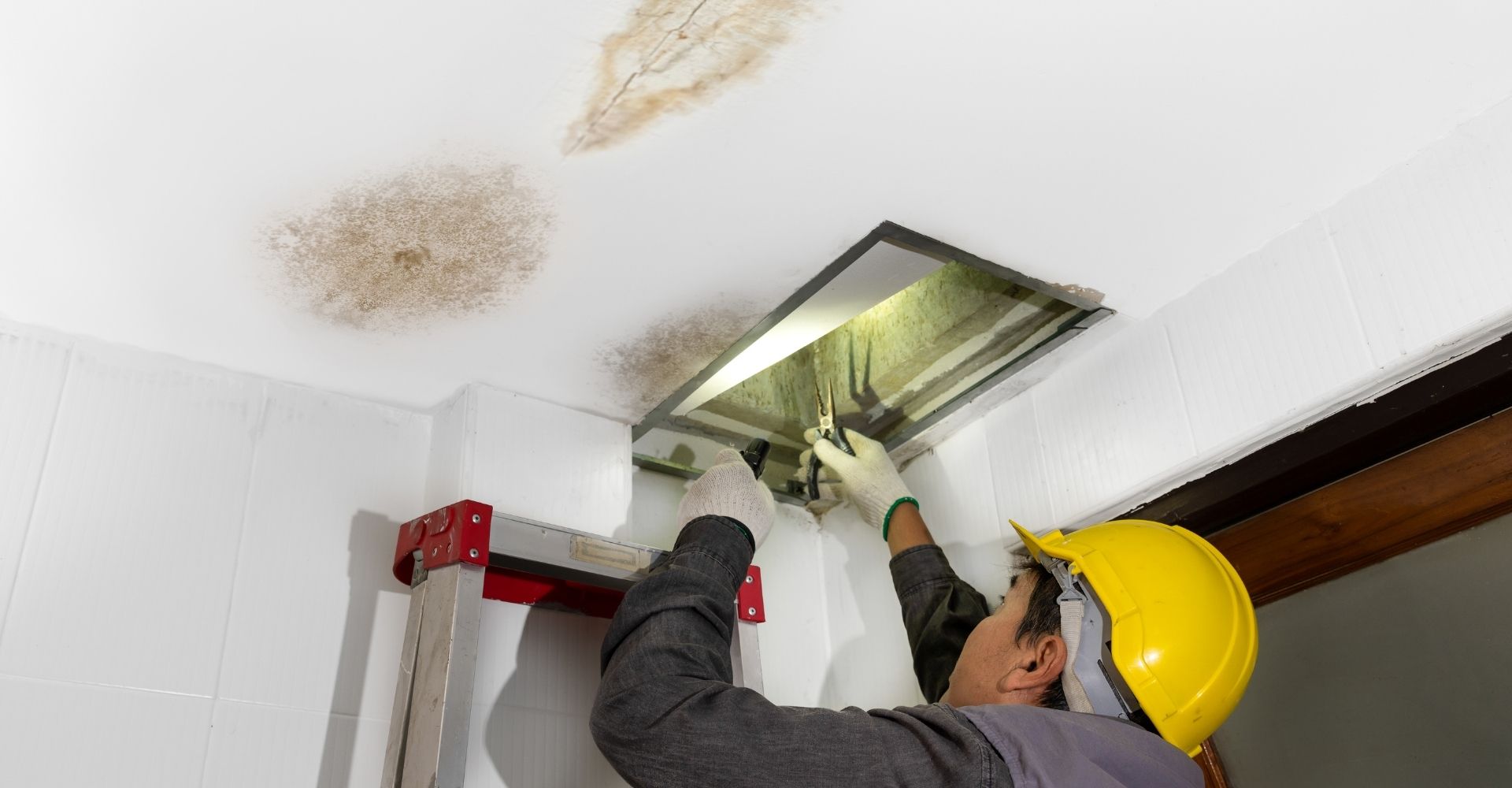
5. Common Signs of Hidden Leaks Before a Burst Happens
Detecting leaks early can save your home from major damage. Signs include:
- Damp walls or ceilings
- Strange musty odors
- Unexplained spikes in water bills
- Slow drains or gurgling sounds
- Rusty or discoloured water
Early detection allows you to call a Emergency Plumber Singapore before a minor leak turns into a catastrophic burst.
6. Long-Term Prevention Tips for Pipe Bursts
Preventing pipe bursts is better than reacting to emergencies. Some measures include:
a. Regular Plumbing Inspections
Schedule annual inspections to detect weak pipes, corrosion, or hidden leaks.
b. Install Water Pressure Regulators
Maintaining optimal water pressure prevents unnecessary stress on your pipes.
c. Upgrade Old Pipes
Replacing aged or corroded pipes reduces the risk of sudden bursts.
d. Keep Drains Clean
Prevent blockages by avoiding grease, hair, or foreign objects in drains.
e. Insulate Pipes
Even in Singapore, insulating water pipes in air-conditioned areas can prevent condensation-related stress.
f. Know Your Plumbing Layout
Understanding your home’s piping system helps you act quickly in an emergency.
7. Why Hiring a Certified Emergency Plumber Singapore Matters
Professional emergency plumbers bring experience, tools, and expertise that homeowners usually don’t have.
Benefits Include:
- Quick response to minimize flooding and damage
- Accurate identification of the source of leaks
- Safe repairs using approved materials and techniques
- Preventive recommendations to avoid future bursts
Trying DIY solutions for major pipe bursts can worsen the damage. Certified professionals ensure the repair is permanent, compliant with local building codes, and safe.
8. Steps After the Leak Is Fixed
After a professional has repaired the burst pipe or sudden leak, your work isn’t entirely done. Taking the right post-repair steps ensures that your home is safe, damage is fully addressed, and your plumbing system stays reliable.
Check for Water Damage
Even after the leak is fixed, residual water may remain hidden in walls, floors, or ceilings. Inspect all affected areas carefully, including behind cabinets, under sinks, and around baseboards. Look for warping, discoloration, soft spots, or peeling paint, which can indicate lingering moisture. Early detection prevents structural issues from worsening.
Clean and Dry Affected Areas Thoroughly
Standing water and damp surfaces can quickly lead to mould and mildew growth. Use fans, dehumidifiers, or absorbent towels to dry the area completely. For carpets or furniture that got wet, consider professional cleaning to prevent permanent stains or odor. Proper drying also protects your flooring and cabinetry from long-term deterioration.
Monitor Water Pressure and Functionality
Once the repair is complete, turn the water supply back on and check all faucets, showers, and appliances for proper flow and pressure. Ensure there are no hidden leaks or dripping joints. Monitoring your system over the next few days helps confirm that the repair is holding and that your plumbing is operating normally.
Review Insurance Coverage and Document Damages
If the leak caused significant water damage, document it with photos and notes for insurance purposes. This ensures your claim is accurate and can help cover repair costs. Keep all receipts and invoices from the emergency plumber and any additional restoration services.
Schedule Regular Maintenance and Future Inspections
Finally, consider this incident a reminder to establish a preventive maintenance routine. Set reminders for annual plumbing inspections, check for small leaks regularly, and ensure that vulnerable pipes and connections are in good condition. Preventive care reduces the risk of future emergencies and prolongs the life of your plumbing system.
By following these steps carefully, you protect your home from lingering damage and make sure your plumbing remains safe and efficient long after the emergency is resolved.
9. Cost Considerations for Burst Pipe Repairs
Repair costs depend on:
- Severity and location of the burst
- Age and type of pipe
- Extent of water damage
- Need for excavation or pipe replacement
Calling a certified Emergency Plumber Singapore may seem expensive upfront, but it often saves money compared to untreated flooding or repeated DIY fixes. Early intervention prevents larger issues like structural damage or mould remediation.
10. Final Thoughts
Burst pipes and sudden leaks are stressful, but knowing how to respond can prevent severe property damage and reduce repair costs. Immediate action—shutting off water, ensuring safety, and contacting a professional—makes all the difference.
By understanding the common causes, performing regular inspections, and practicing preventive maintenance, homeowners can significantly reduce the risk of emergencies.
Remember, when a pipe bursts or a sudden leak occurs, don’t panic. Keep calm, follow safety measures, and call a trusted Emergency Plumber Singapore. Professional expertise ensures that your home’s plumbing system is restored quickly, safely, and reliably.
Taking proactive steps now protects your home, your family, and your wallet from the unexpected consequences of burst pipes.