
Maintaining a home involves many moving parts, but one of the most important systems you should never overlook is your plumbing. From clean water flowing into your home to wastewater draining out smoothly, a well-maintained plumbing system keeps your daily routine running without interruption. Unfortunately, most homeowners only notice plumbing when something goes wrong—like a leaking pipe, a dripping tap, or a clogged drain. The good news? Regular upkeep can prevent many of these issues.
This guide breaks down simple and practical tips that every homeowner should know, helping you avoid costly repairs and keep your system in great shape. Whether you live in an HDB flat, landed property, or condo, proper Plumbing Maintenance Singapore practices can make a big difference in how efficiently your home functions.
1. Inspect Your Faucets and Showerheads Regularly
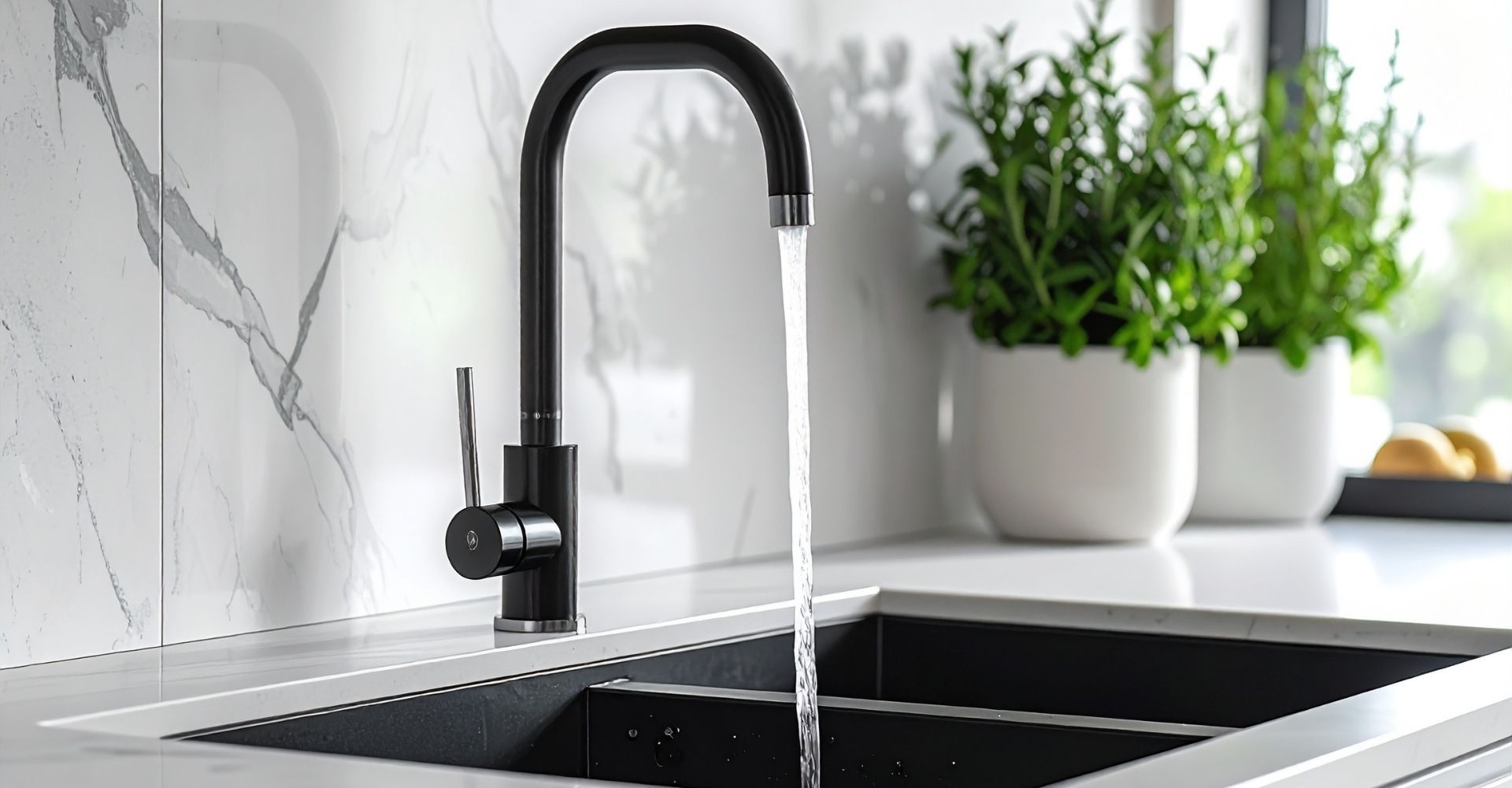
Faucets and showerheads are some of the most commonly used fixtures in any home. Over time, it’s normal for mineral deposits, wear and tear, or loose components to cause leaks. Even a small drip may seem harmless, but it can waste a significant amount of water and increase your utility bills.
Regularly check:
- If water is dripping even when the tap is closed
- If your showerhead has uneven spray patterns
- If you hear any strange sounds when turning the tap on
A simple cleaning using vinegar to remove limescale or tightening the parts can resolve many minor issues. However, if the faucet is old or heavily worn out, replacing it can be more cost-effective in the long run.
2. Keep Your Drains Free From Clogs
Clogged drains are one of the most frustrating plumbing issues. They slow down water flow, cause unpleasant smells, and if left untreated, can lead to full blockages or even pipe damage.
Here are ways to keep drains clear:
- Avoid pouring grease or cooking oil into the sink
- Use drain strainers to catch hair, food scraps, and debris
- Flush your drains weekly with warm water and mild dish soap
- Avoid using harsh chemical cleaners that can damage pipes
For bathrooms, hair is the number one cause of clogs, while in the kitchen, food particles and grease build-up are the main culprits. Practising these simple habits keeps your drainage system flowing smoothly.
3. Check for Hidden Leaks Around Your Home
Not all leaks are obvious. Some stay hidden behind walls, under sinks, or along piping lines. These silent leaks can lead to high water bills, mould growth, and structural damage.
Look out for these signs:
- Sudden spikes in water usage
- Damp spots on walls or ceilings
- Musty smells in bathrooms or kitchens
- Visible mould patches
- Warped wooden flooring
If you suspect a hidden leak, it’s best to contact a professional plumber as soon as possible. In Singapore, many companies specialise in leak detection using non-invasive tools, ensuring efficient and accurate results. Staying proactive with Plumbing Maintenance Singapore helps prevent small leaks from becoming major issues.
4. Clean Your Water Heater for Better Performance
Water heaters are essential for daily comfort, whether for showers, washing dishes, or household cleaning. Over time, sediment builds up inside the tank, affecting efficiency and shortening its lifespan.
A few simple maintenance steps make a big difference:
- Flush the heater once or twice a year
- Check the temperature settings to prevent overheating
- Inspect the heater for any rust or leaks
- Ensure the pressure valve is working correctly
Tankless and instant heaters require less maintenance but still benefit from regular inspections to ensure proper functioning. If your water heater is older than ten years or shows recurring issues, it may be time for a replacement.
5. Maintain Good Water Pressure in Your Home
High water pressure may feel great during a shower, but excessive pressure can strain your pipes and fixtures. On the other hand, low pressure indicates possible blockages, leaks, or system problems.
To maintain stable water pressure:
- Check if pressure is consistent across all taps
- Clean aerators to remove mineral build-up
- Inspect pipes for leaks or corrosion
- Install a pressure regulator if needed
If you notice sudden drops in water pressure, contact a plumber immediately. In Singapore, fluctuations in pressure can sometimes come from issues in the water supply line, but internal plumbing should always be checked first.
6. Care for Your Toilet to Avoid Unnecessary Repairs
Toilets are used daily and often taken for granted. Issues like running water, weak flushing, or constant clogs indicate deeper problems that require attention.
Basic toilet maintenance includes:
- Checking if the flush system works smoothly
- Ensuring no foreign objects are flushed
- Inspecting the rubber flapper for wear and tear
- Making sure there are no leaks at the base
Avoid flushing items such as wipes, sanitary products, cotton buds, or paper towels. Even products labelled “flushable” can cause blockages in older plumbing systems. Proper toilet care prevents blockages and prolongs the lifespan of your flushing system.
7. Understand When to Use Shut-Off Valves
Every homeowner should know where the main water shut-off valve is located. In the event of a major leak or burst pipe, shutting off the water quickly can prevent serious damage.
Typical locations include:
- Under the sink
- Behind the toilet
- Near the washing machine
- At the main water supply point
Practise turning the valves occasionally to ensure they are not stuck. This small step is often overlooked but can be a lifesaver during plumbing emergencies.
8. Prevent Mould by Keeping Areas Dry
Moisture and humidity are common in Singapore’s climate, making mould prevention an essential part of plumbing maintenance. Areas like bathrooms, kitchens, and laundry spaces are prone to dampness.
Ways to reduce moisture include:
- Using exhaust fans
- Wiping down surfaces after use
- Ensuring proper ventilation
- Repairing leaks immediately
Keeping your home dry not only prevents mould but also protects your pipes, walls, and fixtures from long-term damage.
9. Avoid DIY Fixes for Complex Plumbing Problems
It can be tempting to try fixing plumbing issues on your own, especially with the countless DIY videos available online. Tightening a loose faucet or clearing a small blockage is generally safe, but anything beyond basic troubleshooting should be approached with caution. Many homeowners underestimate how complex plumbing systems actually are. Pipes, joints, valves, and connectors are all interlinked, and a small mistake in one area can easily create a bigger issue somewhere else.
For example, attempting to fix a concealed pipe leak without proper tools can lead to unnecessary wall or floor damage. Similarly, tampering with electric water heaters without the right knowledge can be extremely dangerous. These systems carry both electrical and water components, and a simple error can result in electrical hazards or further damage to the heater. Even using strong chemical drain cleaners can corrode pipes if used incorrectly, turning a minor clog into a costly pipe replacement.
Professional plumbers in Singapore are trained to diagnose problems accurately using specialised tools—such as leak detectors, pipe cameras, and pressure testing equipment. They follow strict safety protocols and understand the layout of local plumbing systems, which differ from country to country. Their experience allows them to spot underlying issues a homeowner might not notice, ensuring the repair isn’t just a temporary fix but a long-term solution.
In many cases, DIY attempts end up costing more because the original problem becomes worse or new issues arise. Calling a professional from the start not only saves time and stress but also protects your home from potential damage. When it comes to complex plumbing tasks—such as major leaks, water heater repairs, pipe replacements, or anything involving electrical components—it’s always safer and smarter to let the experts handle it.
10. Schedule Professional Plumbing Inspections Annually
Even if everything seems fine, scheduling an annual plumbing inspection is a great investment. Professionals can detect early signs of wear, corrosion, leaks, or blockages that homeowners may overlook.
A yearly check typically includes:
- Inspecting all visible pipes and joints
- Checking water pressure
- Testing the water heater
- Examining taps, sinks, and toilets
- Looking for early signs of leaks or corrosion
Annual inspections are a key part of Plumbing Maintenance Singapore, helping ensure your home remains safe and problem-free throughout the year.
Final Thoughts
Plumbing maintenance doesn’t need to be complicated. With simple routines like checking faucets, clearing drains, and inspecting for leaks, you can avoid sudden breakdowns and expensive repairs. Singapore’s humid environment and dense housing conditions make proper plumbing care even more important, especially for preventing mould, corrosion, and water damage.
Staying proactive not only extends the lifespan of your plumbing system but also ensures a comfortable and safe living environment for your family. And when an issue becomes too difficult to handle, professional plumbers are always ready to assist.
If you need help with inspections, repairs, or general maintenance, reaching out to a trusted plumbing service provider ensures your home stays in great condition all year round.